
A solenoid is fundamentally an electromechanical device, specifically containing a ferromagnetic core, often made of materials such as iron, which is strategically placed inside a precisely wound coil. As soon as the electrical current is applied and the coil is energized, it immediately and powerfully acts as a temporary electromagnet. Consequently, this remarkable electromagnetic property allows the energized coil to exert a force, effectively pushing or pulling the internal core, thereby creating controlled, precise linear motion under the influence of the generated magnetic field. Therefore, solenoids are incredibly and widely used across a vast spectrum of electronic devices, notably because they can operate either as independent modules performing simple tasks or as vital, fully integrated components in complex automotive systems and advanced industrial automation, as the core applications will be explained further in this comprehensive article.
Key Takeaways
- A solenoid is essentially a wound electric coil, and when electricity passes through it, the coil functions as an electromagnet; therefore, it becomes useful for generating mechanical motion.
- Solenoids have extensive applications in industrial automation and automotive
- At its core, a solenoid converts electrical energy to a form of mechanical energy
- Understanding solenoids helps in deciding the right type of solenoid for considering its limitations and appropriate applications.
Understanding Solenoids: Components & Physical Structure
An electromagnetic actuator is a coil of copper wire wound around an iron core. When current flows through the coil, it creates a strong magnetic field. Therefore, by controlling this magnetic field with precision, engineers can generate linear motion in the iron core and thus convert electric energy directly into mechanical energy.
What Exactly is a Solenoid?
Commonly, an electronic device that can be linearly moved by manipulation of electric current is regarded as a solenoid.

Key Components
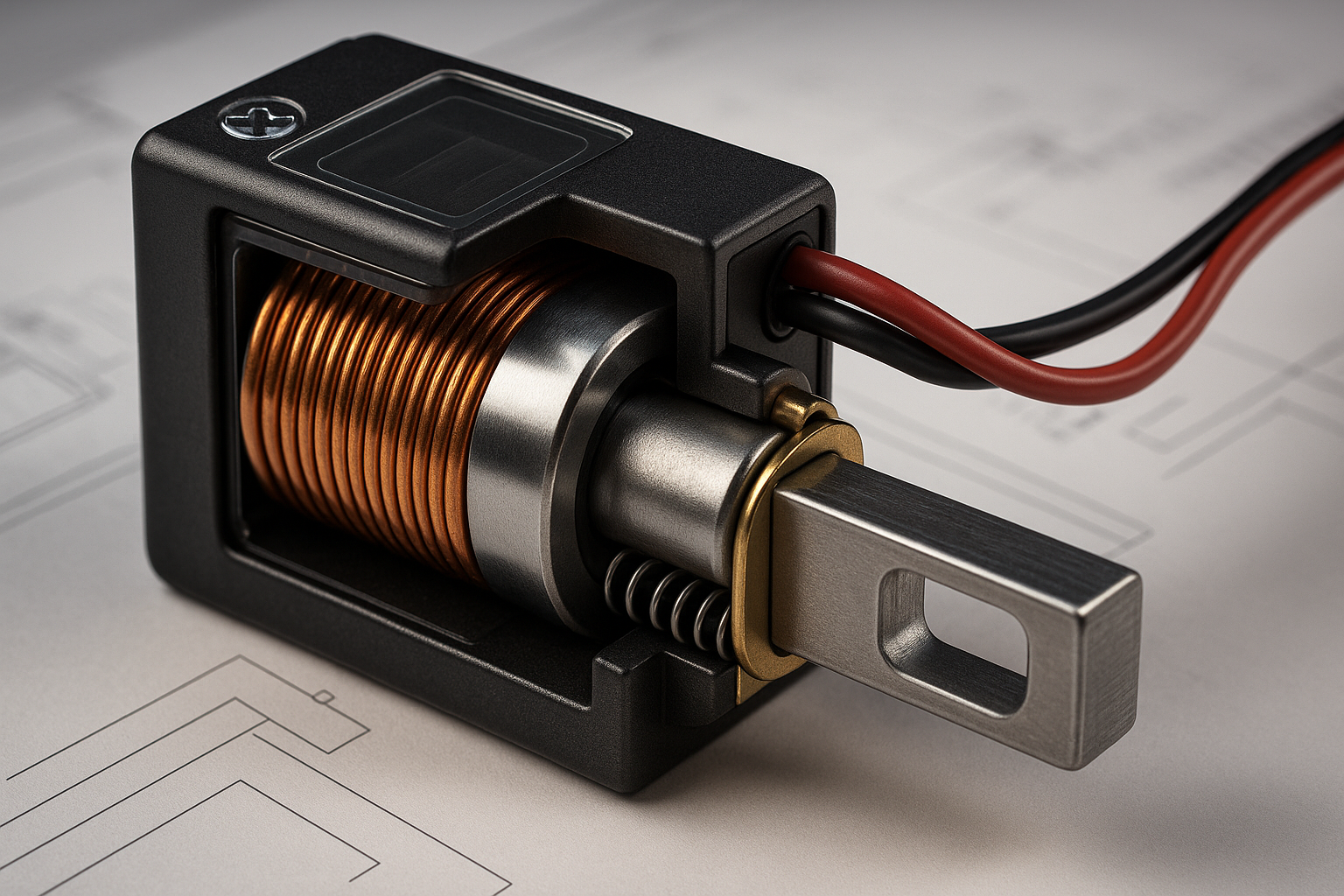
A typical electromagnetic actuator mainly consists of 3 parts:
- The coil: a copper wire winding that carries the current
- The core: A cylindrical core typically made up of ferromagnetic material such as iron, and reacts to the magnetic field created by the coil
- Return Spring: A return spring brings the core back to its original position when the coil is deenergized
- wiring lugs
- Housing: This housing provides support and protection
Physical Structure
The solenoid is an electromechanical device. So, when its coil, wound around a core, is energized, it generates a controllable magnetic field for actuation purposes. This design translates electrical energy into linear or rotary motion for applications like valves and actuators in automotive and industrial systems. The structural design, including the core and coil, effectively dictates its performance, response time, and longevity.
The structural design of a solenoid aims to optimize both electrical and mechanical efficiency. Ideally, its performance depends on several factors, including the number of coil turns, the physical dimensions, the material properties of the core, and the overall housing shape.
Coil Configuration
The solenoid coil configuration depends upon multiple design factors. These factors include its number of turns, wire gauge, and insulation type. These factors directly affect the magnetic field strength and inductance. A tightly wound coil makes sure of strong magnetism for swift and snappy actuation.The insulation of the wire used in actuator coils is crucial for safe operation under high voltages and continuous duty cycles, such as those found in transmission control devices.
Housing
The housing protects the internal components, such as the core and coil, while also allowing easy integration into various systems. Depending upon the application (like handling gas or oil) of the solenoid, various materials such as brass, stainless steel, or plastics are selected. Durable housing is crucial in automotive solenoids that protect the automotive components, such as transmission and shift solenoids, from heat and contaminants.
How Does a Solenoid Work?
The essence of this actuator’s functionality is rooted in electromagnetism. In application, a current-carrying coil causes an iron core to move linearly. However, there is much more to it than translating electrical energy to mechanical energy.
We now know that the current-carrying coil creates a magnetic field that exerts force on the plunger. For an ideally long solenoid, the magnetic field inside is given by the magnetic field formula B = μ₀·(N/L)·I. In this formula, N is the number of turns of wire that make up the coil, L is the length of the coil, and I is the current that passes through this coil.
Solenoid Valve Working Principle
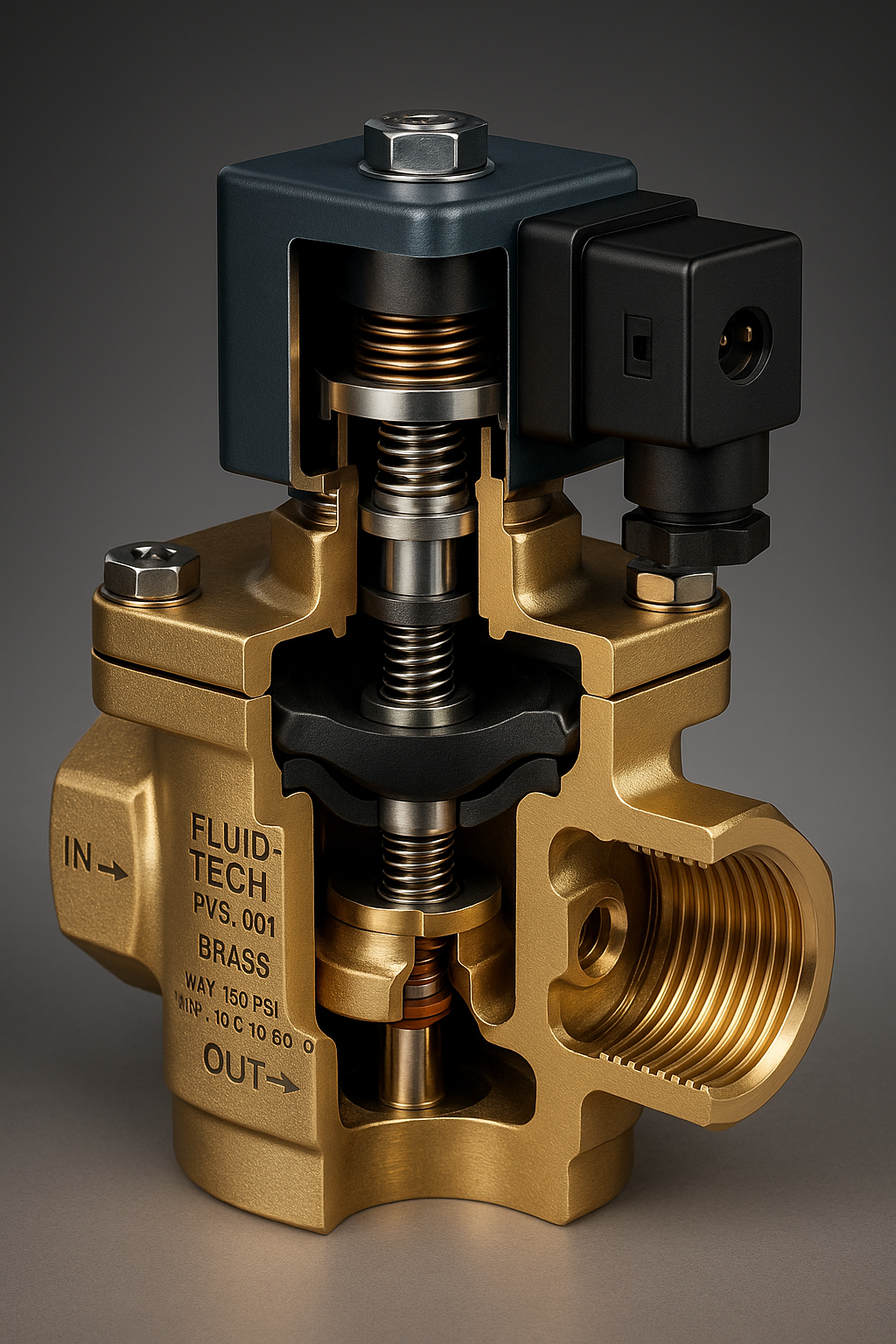
A solenoid valve actively controls fluid or gas by using an electric coil and a plunger mechanism. When current energizes the coil, it generates a magnetic field that moves the plunger, changing the valve position and regulating flow.
In general, the valve control mechanism is in either normally open or normally closed form. The magnetic field produced by the solenoid coil reverses the normal state of the valve (from closed to open, and open to closed). The reverse spring brings the plunger into its normal state.
The solenoid valves have two major types:
Direct-acting solenoid valves
In direct-acting solenoid valves, the plunger opens or closes the valve orifice directly. These electrically operated valves are simple in construction and operation. You can use Direct-acting solenoid valves to control low-flow rates of gas or fluid.

Pilot-operated solenoid valves
In this type of valve, the solenoid mechanism only controls a small pilot port. This pilot action indirectly controls the large fluid flow by utilizing the fluid pressure to move a larger diaphragm or piston. Which in turn opens the main valve. This design allows higher flow rates without using higher electrical power.
Types of Solenoids
As we have seen previously, there are many types of electromagnetic valves, even for the same task in different settings (e.g., direct-acting units for low flow rates, and pilot-operated ones for high flow rates). Therefore, it is crucial to understand the various types based on function and application so that choosing the right one becomes easy.
Solenoids Based on Function
This categorization makes it easier to clearly understand each solenoid type by focusing on the way it performs its function. Moreover, it helps you quickly differentiate solenoids based on their specific functions and practical applications.
Linear Solenoids
These are the most common solenoids that convert electrical energy to linear mechanical motion via electromagnetism. Thus, the motion they generate is a linear push or pull, commonly utilized in latches, brakes, or valve poppets.
Rotary Solenoids
Rotary solenoids operate on the same principles as Linear solenoids. However, they have an additional step where the linear motion of the plunger is translated to the controlled rotary motion. So, we can see that Rotary solenoids have common use in limited-angle movements such as valve actuators and automatic industrial high-viscosity liquid dispensers.
Holding/Latched Solenoids
Latched solenoids maintain their position without needing a continuous current in the solenoid coil. These solenoids use a permanent magnet to hold the plunger, reducing power consumption in applications like locks or relays.
Solenoids Based on Applications
Application-wise, there is a wide range of solenoids, which include Pneumatic, Hydraulic, and Sprinkler valve Solenoids. These are explained below:
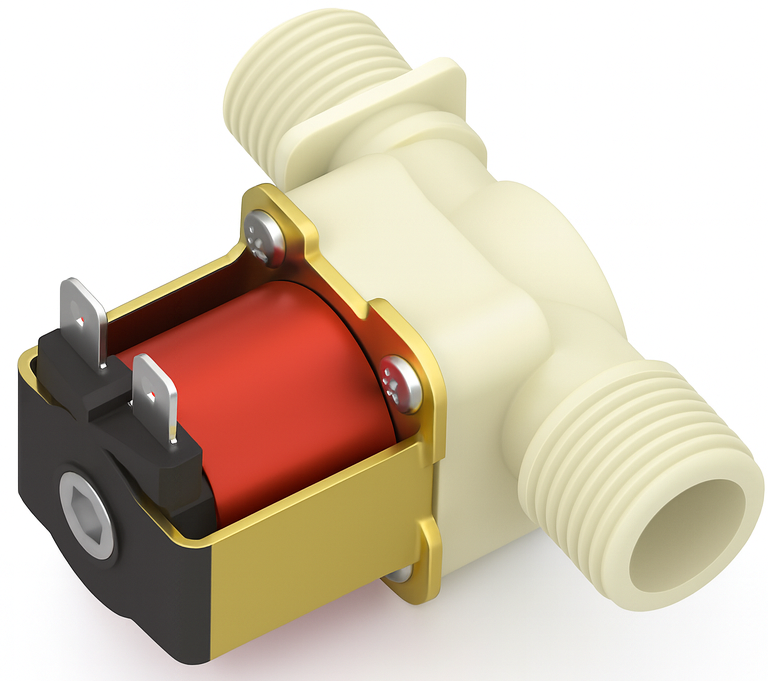
Pneumatic Solenoid Valve
An electrically actuated valve that controls the on/off or directional flow of compressed air or inert gases in automatically, fixturing, and air-tool circuits. An example of a Pneumatic Solenoid Valve is DFRobot FIT0498 12 V, 1/2″ for hobby/bench fluid control.
Hydraulic Solenoid Valve
A hydraulic solenoid valve uses coil magnetism to shift a spool or poppet, which in turn directs oil flow between the pressure, actuator ports, and return. These valves can be normally-open or closed, with 2-way, 3-way, or 4-way flow paths. Mounting options include cartridge type or CETOP/DIN standard blocks.
Solenoid For Sprinkler Valve
In an irrigation valve, energizing the coil directly lifts a pilot pin, venting the diaphragm so line pressure opens the main port. Thus, when the coil de-energizes, the diaphragm automatically resets, stopping the flow, while an inlet filter blocks debris. The examples of irrigation valves include Cynergy3 SOL1A4 (3/8″), SOL3A3 (3/4″), SOL7A4 (2″).
Automotive Solenoids
These solenoids play a crucial role in ensuring a safe, efficient, and smooth driving experience without negatively affecting the performance and degrading the performance of internal components of the automotive. In the automotives where hydraulics and power control are part of the core automotive function, driving without optimally functioning solenoids can prove fatal.
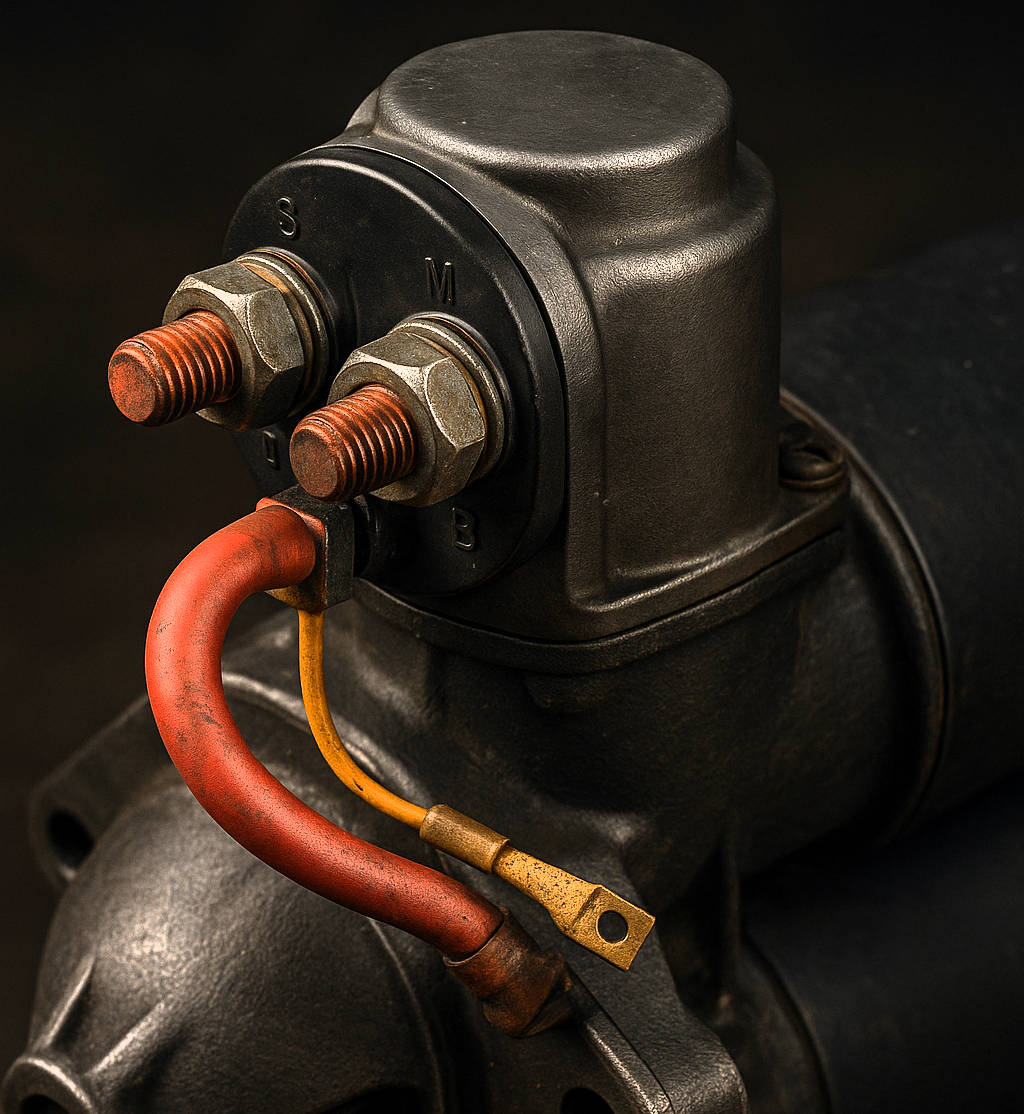
Starter Solenoid
The starter relay connects the vehicle battery to the starter motor, engaging the pinion gear with the flywheel. Without this relay, the engine cannot crank, which is why guides such as “how to test a starter relay” or “wiring diagrams for starter connections” are essential for troubleshooting.
Transmission Control Solenoid
The transmission control solenoid manages hydraulic pressure in automatic transmissions. It enables smooth gear shifts by directing Automatic Transmission Fluid (ATF) to the correct clutch packs. The subtypes like pressure control solenoids, shift interlock solenoids, and torque converter clutch solenoids ensure precise timing, efficient power transfer, and protection from gear slipping, respectively.
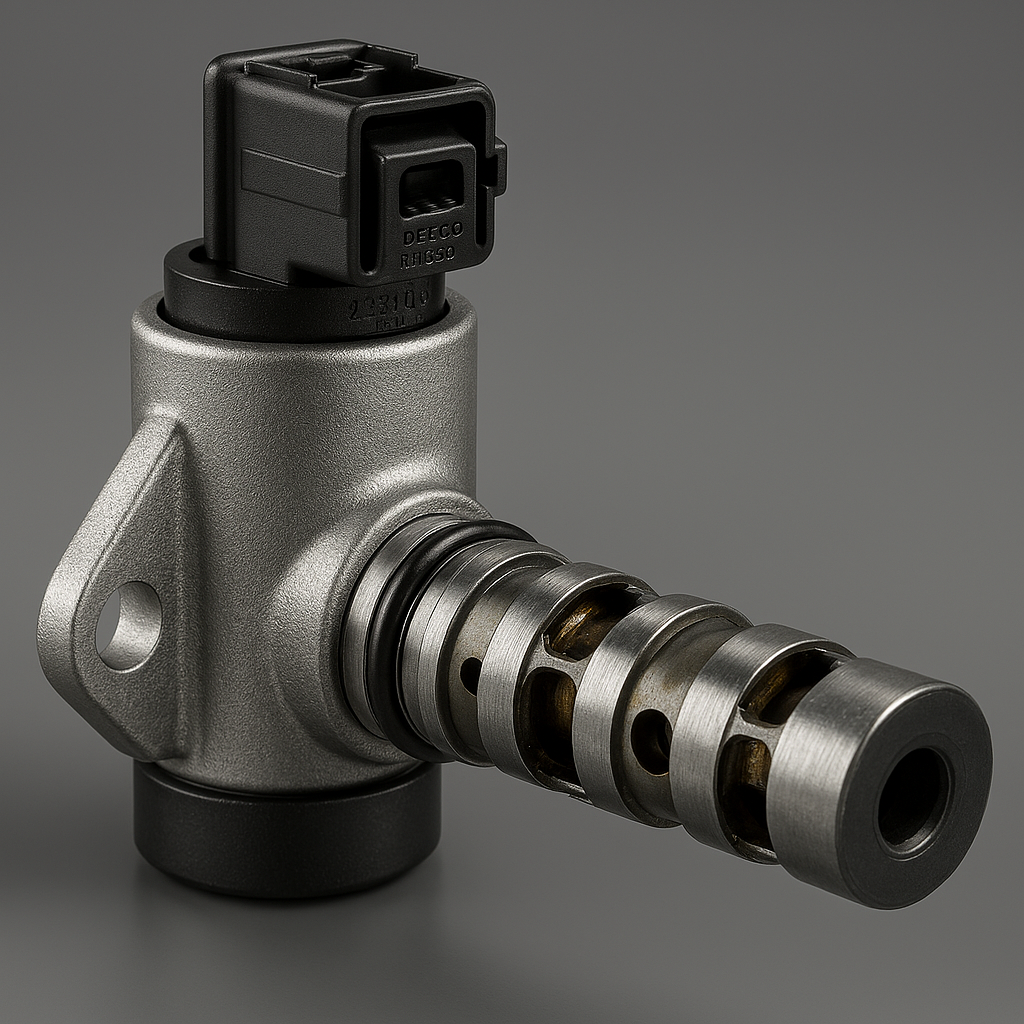
Variable Valve Timing (VVT) Solenoid
The VVT solenoid adjusts camshaft timing by regulating oil flow into cam phasers, improving both fuel efficiency and engine performance. Therefore, when this component fails, it can cause rough idling, reduced power, and a check engine light, making timely diagnosis and replacement critical.
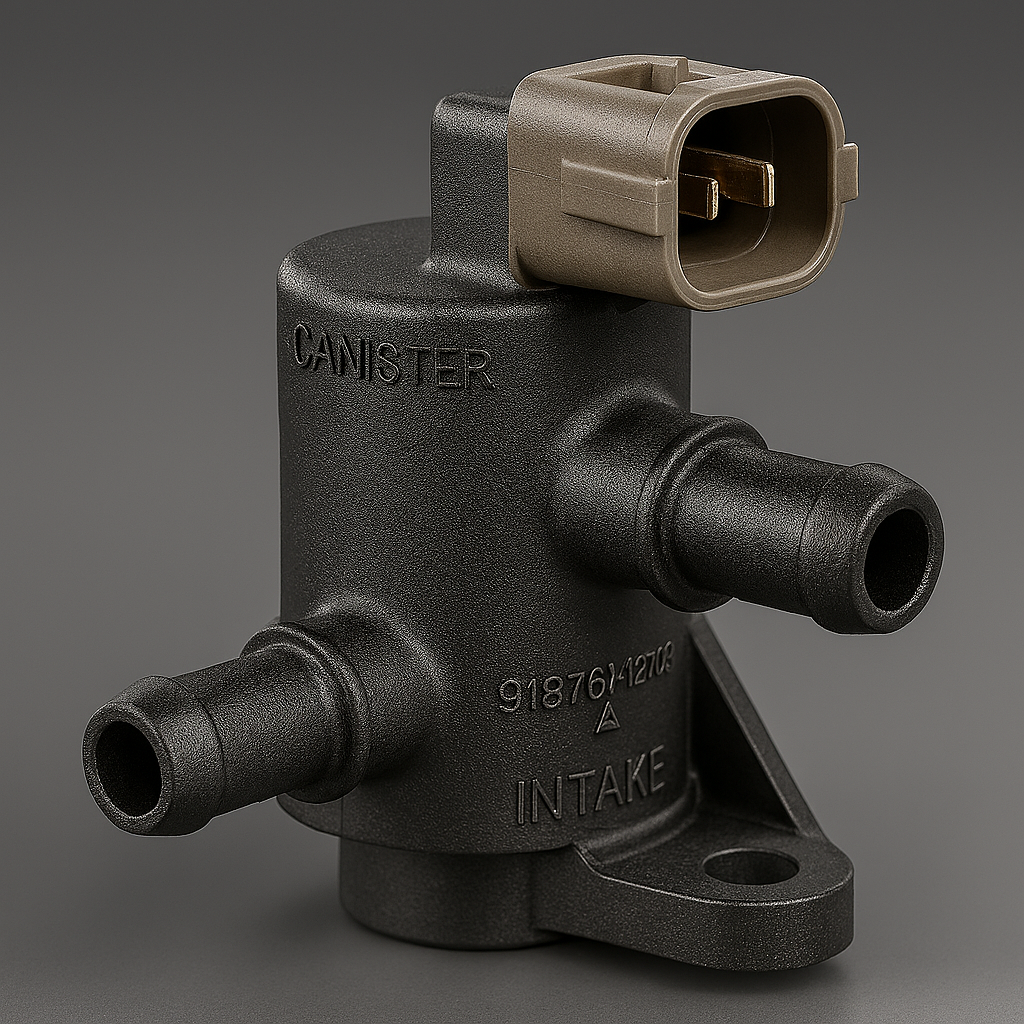
Purge Valve Solenoid
The EVAP system includes the purge valve solenoid, which actively controls when fuel vapors leave the vapor canister and enter the intake manifold for combustion. Consequently, a malfunctioning purge solenoid can cause difficulty starting or failed emissions tests, which directly affect both performance and compliance with environmental standards.
Other Solenoids & Safety Interlocks
Solenoids are abundantly used across various industries. We have seen the solenoids in automotive use cases. Below are some use cases of solenoids in everyday life as well as in industrial automation:
Solenoid Door Lock
An electromagnetic door lock uses a power-activated actuator to move a latch or bolt. This power-controlled door lock system enables controlled area access from a distance. These locks are common in remote area access control systems, where keypads, RFIDs, or biometric scanners are linked to the solenoid activation, providing both security and convenience. A Pontiac Coil Inc. Plunger and LEDEX / Dormeyer / SAIA 1250 are good examples of an electromagnetically actuated door lock system.
Industrial Interlocks & Limit Switches
In industrial environments, operators use solenoid interlocks and limit switches to keep powerful machines safe and prevent fatal injuries. These devices automatically restrict access, switch off equipment upon detection, or forcibly stop machine action when accidental access is detected. The solenoid mechanism ensures doors, guards, or levers can only move when conditions are safe.
The Omran’s D4BL-2DRA interlock and WLNJ series limit switches, WLNJ-LE, WLNJ-RP, WLNJ-TH, are great examples of industrial limit switches and interlocks, reducing accidents and protecting workers.
Common Issues and Failures of Solenoids
Solenoids are electromechanical devices that convert electrical energy into mechanical motion. Due to their inherent mode of action, they may suffer electrical or mechanical failures, effectively disabling the overall mechanism. Therefore, it is only logical to consider typical causes of solenoidal failures to effectively troubleshoot any issues.
Solenoid Failure Causes
A solenoid can fail due to a range of causes. It is often necessary to rule out various causes before you can pinpoint the actual issue. Below are some of the causes you can check the actuator for.
Electrical Failure
Electrically, an actuator can fail due to overvoltage, poor grounding, or shorted coil windings, which cause overheating. These faults burn insulation, weaken magnetic strength, and eventually lead to complete device failure. Using overvoltage protection helps avoid excess voltage input at the coil assembly.
Mechanical Failure
Dirt, varnish buildup, or corrosion inside the housing can prevent the plunger from moving freely. This sticking action stops the device from opening or closing properly, leading to unreliable performance.
Thermal Failure
Inadequate cooling can cause the magnetic core to expand or compress, while coils and insulation gradually degrade. This accelerates wear and tear, shortens lifespan, and increases the likelihood of electrical burnout.
Symptoms of Solenoid Problems
A faulty solenoid valve may refuse to open or close, cause irregular fluid flow, produce a buzzing sound from AC hum or low voltage, or develop an unusually hot coil.
Automotive Solenoid Failures
In vehicles, bad solenoids can lead to delayed or harsh gear shifts due to transmission control issues, no-start conditions due to starter solenoid failure, or EVAP trouble codes from a faulty purge valve.
Testing Solenoids
Performing a component test is beneficial before major failures occur. However, when an actuator stops working or fails, technicians directly perform the following diagnostic checks to identify and repair the faulty unit.
Starter Solenoid Wiring
Before testing the starter solenoid, make sure the wiring is accurate. Most starter solenoids have B+ (battery), S (start signal from ignition/relay/ECU), and M (to starter motor) connections. Ground is via the case or a dedicated terminal.
Starter Solenoid Test
Perform the following tests to pinpoint the starter solenoid fault
- Listen for a click sound while turning the key, which indicates the battery to motor contact
- Measure battery to solenoid input (12 V) and solenoid output to starter while cranking
- A large drop or no output indicates a faulty solenoid or wiring.
- You can check detailed faulty solenoid symptoms at AutoZone.
Starter Motor Solenoid Test
You can test it without using a multimeter. To do that, briefly apply 12 V to the coil with polarity in mind; a healthy solenoid clicks and moves the plunger.
You can test the starter motor solenoid without a multimeter as well. Before using this method, make sure the automotive is in neutral/park mode and the parking brake is applied. Now, use the screwdriver to bridge the B+ terminal to the M terminal, which should spin the starter to isolate the motor vs. the control circuit. Be careful in using this method because of the sparks that occur when bridging the B+ to the M terminal.
Conclusion
Solenoids are versatile electromechanical devices used in almost every industry as well as everyday life. They bridge electricity and motion with simplicity and reliability. From starter motors in cars to precision solenoid valves in hydraulics and pneumatics, they play a critical role in powering modern industries.
Due to diverse functional mechanisms, they are prone to a range of failures. Specifically, they often face electrical, mechanical, and environmental issues that can cause their failures, such as coil burnout, debris blockage, or wear in automotive systems. Understanding their working principles, common failures, and testing methods makes sure of timely maintenance, better performance, and reduced repair costs.
Glossary
| Terminology | Explanation |
|---|---|
| Core | The central part of a solenoid, usually made of magnetic material, that guides the magnetic field. |
| Ferromagnetic | A tightly wound wire in the solenoid that produces a magnetic field when an electric current passes through it |
| Coil | A tightly wound wire in the solenoid that produces a magnetic field when electric current passes through it |
| Plunger | A tightly wound wire in the solenoid that produces a magnetic field when an electric current passes through it |
| Electromagnetic | The phenomenon where an electric current generates a magnetic field |
| Linear Motion | A property of materials like iron that strongly attracts and channels magnetic fields |
| Rotary Motion | Circular or twisting motion that rotary solenoids generate by converting linear force into rotation |
| Electromechanical | Refers to devices like solenoids that combine electrical energy with mechanical movement |
| Solenoid Actuator | A device that uses a solenoid’s coil and plunger to convert electrical signals into precise mechanical motion. |
FAQs
A solenoid valve energizes a coil to create a magnetic field, moving a plunger to open or close the flow. Field strength follows B = μ₀ × (N/L) × I, where μ₀ is permeability, N turns, L length, and I current.
Failures arise from electrical faults (burned coils, wiring issues) or mechanical problems (plunger wear, dirt, corrosion). Symptoms include no opening, irregular flow, buzzing, overheating, or erratic operation.
In starter motors, the solenoid acts as an electromagnetic switch. It engages the gear with the flywheel while also completing the circuit, powering the motor.
You can actively test a solenoid by using a multimeter, attaching jump leads, or applying power from a 12 V supply source. Without tools, apply battery power or bridge terminals with a screwdriver — a working solenoid will click or move its plunger.
Driving with a bad solenoid is risky. It may cause rough gear shifts, stalling, or prevent starting, and continued driving can damage the transmission.
A bad transmission solenoid causes slipping or harsh shifts. Torque converter solenoid issues stem from dirty fluid, overheating, or wear, leading to poor fuel economy and rough operation.
Most cars have several solenoids: one for starting, multiple for transmission (shift, pressure, torque), and others for modern control systems.
The purge valve solenoid directs fuel vapor from the charcoal canister to the intake, reducing emissions and improving efficiency.
