
Introduction
Getting into solar can be confusing. You have to choose the right solar panel kit, match it with a charge controller, figure out the wiring, and make sure every piece works together.
Most people find that a lot to handle. Setup errors and mismatched parts can lead to poor performance and wasted time.
That’s where a solar panel kit makes a real difference. It brings all the essentials together such as panels, controllers, connectors, and often even batteries or an inverter.
The system is pre-configured to work smoothly. You skip the guesswork and go straight to building your system with confidence.
In this guide, we’ll explain what’s inside a solar panel kit, explore some core components, and examine real cases where solar kits solve common energy problems.
If you’re powering a remote cabin, lowering your electricity bill, or setting up a portable setup, we’ll help you choose the right solar panel kit.
What is a Solar Panel Kit?
A solar panel kit is a ready-made package that gives you everything you need to generate electricity from sunlight. Instead of piecing together panels, wires, and other parts, you get a complete setup in one box.
Most kits include solar panels, a charge controller, wiring, and connectors. Many also come with an inverter and batteries, especially for off-grid setups.
The panels convert sunlight into direct current (DC) electricity. The charge controller manages that power safely, especially if you’re charging batteries.
If batteries are included, the stored energy can be used anytime and passed through an inverter to power standard appliances.
Off-grid kits usually include batteries and inverters, while grid-tied kits may skip the battery since the grid handles backup power.
Either way, solar panel kits are designed to be plug-and-play. The components are matched to work together, so you don’t have to figure it out yourself.
That’s why they’re great for DIYers, beginners, or anyone who wants a simple, reliable way to go solar without hiring a pro. With some basic tools and clear instructions, you can be up and running in no time.
Key Components of a Solar Panel Kit
You must understand what goes into it to choose the right solar panel kit. Every part affects how efficiently the system captures, stores, and delivers power.
Here’s a closer look at the main components and what to watch for.
Solar Panels (Modules)
Solar panels are the core of your system. They turn sunlight into electricity. Most kits include either monocrystalline or polycrystalline panels:
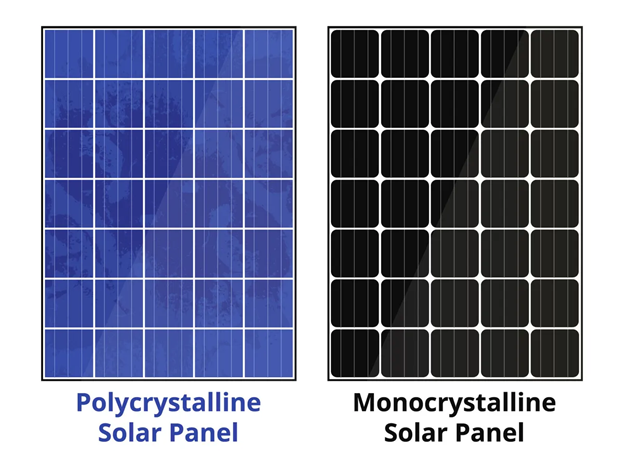
- Polycrystalline panels are made from melted silicon fragments. These have a blue, speckled look. They’re slightly less efficient (15–17%) but offer a good balance of price and performance.
- Monocrystalline panels use single-crystal silicon. They are black in color, highly efficient (around 18–23%), and work well when space is limited. They cost more but last long and give you the most power per square foot.
Another kind of solar panel is a Thin-film panel. These panels are flexible and lightweight. They’re lower in efficiency but ideal for RVs, curved roofs, or portable setups.
A 100-watt panel can power a laptop or a few lights. If you’re running a fridge, tools, or multiple devices, go for a kit with 400–800 watts or more. Always check efficiency ratings, size, and expandability.
Flywing Tech also offers photovoltaic connectors and solar cell components that work well with high-efficiency panel setups.
Charge Controller
This device regulates how power flows from the solar panels into your battery. It protects against overcharging.
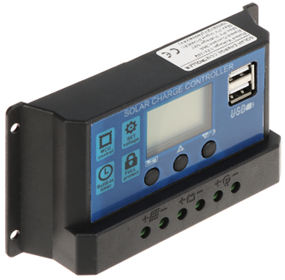
- PWM (Pulse Width Modulation) controllers are basic and cost-effective. They work best when your panel and battery voltage match.
- MPPT (Maximum Power Point Tracking) controllers are more advanced. They adjust the input to get the most power from your panels. They’re ideal for colder climates, low light, and higher voltage systems.
If you’re investing in a larger or expandable kit, an MPPT controller will give you better long-term efficiency.
Battery (Energy Storage)
Batteries store solar energy for use at night or during cloudy hours. Off-grid kits need them, but grid-tie kits might not.
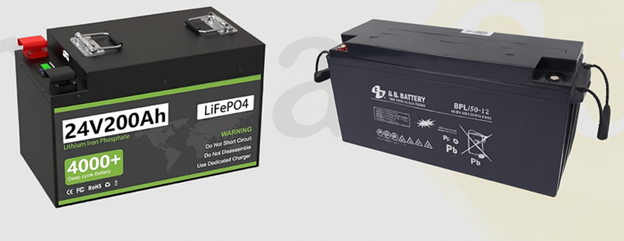
- Lithium-ion batteries (like LiFePO4) are lighter, longer-lasting, and can discharge deeply without damage. They cost more but pay off over time.
- Sealed lead-acid batteries are cheaper but bulkier. You should avoid discharging them below 50% to preserve life.
Battery capacity is measured in amp-hours (Ah) or watt-hours (Wh). A 100Ah 12V battery holds 1.2 kWh of energy. Choose based on what you need to power and how long you need it.
Power Inverter
Inverters convert the battery’s DC power into standard AC power for your appliances.
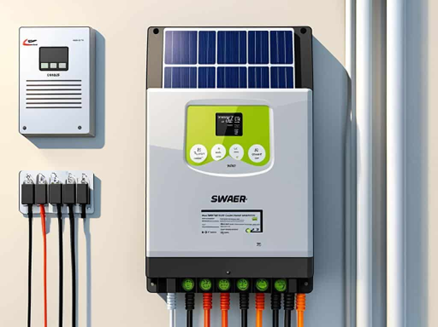
Pure sine wave inverters give clean, stable power, safe for all electronics. Ideal for fridges, laptops, and sensitive devices. Modified sine wave inverters are cheaper but can cause issues with some appliances.
Choose an inverter based on your peak load. If you’re running a microwave, lights, and a laptop, you may need 1500W or more. Make sure the voltage (12V or 24V) matches your battery system.
Wiring and Connectors
Wires and connectors carry electricity safely through the system.
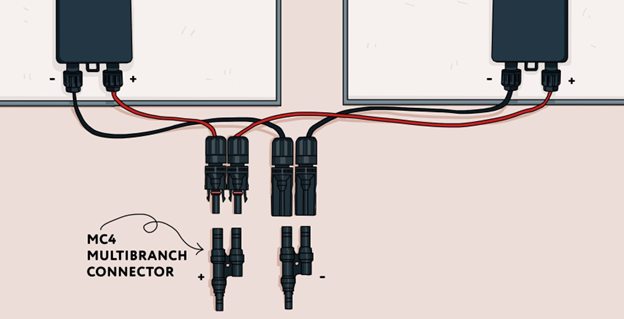
Good kits include:
- MC4 connectors
- Proper gauge cables
- Battery and inverter cables
Avoid mixing connector brands. This can cause overheating or poor contact.
Flywing Tech provides various MC4-compatible connectors and PV accessories to ensure safe, compatible connections.
Mounting Hardware and Extras
Kits usually come with brackets for rooftop, RV, or ground installation.
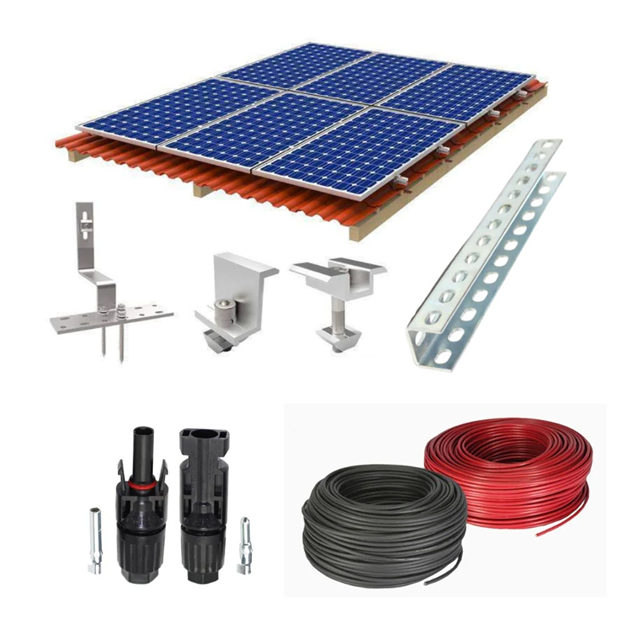
Look for:
- Z-brackets or tilt mounts
- Adhesive mounts for flexible panels
- Pole or ground frames for larger arrays
Other useful extras include:
- Fuses or breakers for system safety
- Monitoring displays or Bluetooth modules
- Clear instruction manuals for DIY setups
Solar Panel Kits: Off-Grid, Grid-Tie, and Hybrid
Not all solar panel kits are built for the same purpose. Before you buy, it’s important to know how each type works and which best fits your situation.
Off-Grid Kits
These are designed for full energy independence. You’re not connected to any utility grid, so batteries are necessary. Off-grid kits are ideal for cabins, RVs, boats, or remote homes.
They typically include solar panels, a charge controller, a battery bank, and an inverter to run AC appliances.
This is your go-to setup if you want to live off the land or power a space far from city lines. Just ensure you size your system correctly to meet your daily power needs, even during cloudy days.
Grid-Tie Kits
These systems connect directly to your home’s electrical system and feed solar power into your circuits. You use solar when available, and the grid fills in the rest.
If you produce extra energy, it can return to the grid (if net metering is supported in your area). Most grid-tie kits don’t include batteries and usually require a special inverter that syncs with the utility.
It is a cost-effective way to lower your electricity bill, but for safety reasons, if the grid goes down, your solar panels will shut off, too.
Hybrid Kits
A hybrid kit gives you the best of both. It connects to the grid but also has batteries for backup.
You can use solar during the day, draw from batteries at night, and fall back on the grid if needed.
If there’s an outage, the battery kicks in automatically to keep your lights on. Hybrid systems offer flexibility and reliability but are more expensive and often require a more advanced inverter setup.
This is an excellent option if you live in an area with frequent blackouts but still want to cut energy costs.
If you’re powering a remote location, look for an off-grid kit with battery support. If you want to reduce your bill, a grid-tie kit might be all you need. Go hybrid for both savings and backup power.
Factors to Consider When Choosing the Right Solar Panel Kit
Choosing a solar panel kit isn’t just about picking the highest wattage. It is also about matching the system to your needs.
Here’s a practical checklist to help you decide.
1. Understand Your Power Needs
Make a list of the devices you’ll run and how long each day. A small kit (100–200W) charges phones and lighting.
Larger systems (1000W or more) are needed for appliances or tools. Use solar calculators or kit descriptions to estimate how many watts and watt-hours you’ll need daily.
2. Consider Your Location and Sunlight
Where you live affects how much energy panels produce. More sun hours means more output. If you’re in a cloudy region or have partial shade, go for a higher-wattage or more efficient panel. Also, check if you have a good mounting spot, ideally south-facing (north-facing in the southern hemisphere) and shade-free.
3. Choose the Right System Type
- Off-grid: Best for RVs, cabins, or remote locations. It must include or support batteries.
- Grid-tie: Ideal for homes connected to utility power. Usually, there are no batteries, but helps cut electric bills.
- Hybrid: Offers grid access with battery backup. Great for homes where outages happen often.
You should pick based on your use case. Off-grid for independence. Grid-tie for savings. Hybrid for both.
4. Wattage and Kit Size
Solar kits are often listed by panel wattage: 100W, 400W, 1kW, etc. Make sure the kit covers your estimated energy needs.
If you plan to expand later, check if the kit allows for it—some charge controllers and inverters are scalable.
5. Panel Quality and Efficiency
Look beyond the watt rating.
- Choose panels with high efficiency (18–22% is great).
- Check for a solid build, including tempered glass, sealed frames, and waterproof junction boxes (IP65 or better).
- Look for certifications like UL or IEC.
- Review the warranty. Twenty-five years for output is a solid sign of durability.
6. Battery Capacity and Type
If the kit includes a battery, verify its specs. If not, you’ll need to buy one.
- Lead-acid is cheaper but heavier and shorter-lived.
- Lithium is costlier upfront but offers longer life and better performance.
Calculate needs in watt-hours (Wh): For example, a 12V 100Ah battery stores 1200 Wh, which is enough to power a 60W fan for 20 hours.
7. Charge Controller Type
Your kit will come with either:
- PWM Controller: Budget-friendly but less efficient. Fine for small systems.
- MPPT Controller: More efficient (especially in varying weather), better for large or upgradeable systems.
Check the amp rating to ensure it supports the total panel output.
8. Inverter Type and Power Rating
For AC appliances, you’ll need an inverter.
- Choose one with enough wattage to run your devices (with some buffer).
- Look for pure sine wave inverters for compatibility with all electronics.
- Check for outlets, USB ports, or 240V options based on what you plan to use.
9. Connectors, Cables, and Safety Accessories
Good wiring matters. Standard MC4 connectors ensure secure, weatherproof connections.
The cables should be thick enough to withstand the current. For safety, look for included fuses, breakers, or disconnect switches.
Avoid kits with thin wires or off-brand connectors.
10. Installation Space and Mounting
Think through your space:
- Do you have enough room for the panels?
- Does the kit have appropriate mounting hardware i.e roof brackets, tilt mounts, ground racks?
- Can electronics be installed in a dry, ventilated location?
Ventilation is crucial for lead-acid batteries.
11. Budget and Value
Kits range from $200 to several thousand. Don’t just look at price, but consider quality, features, warranty, and included accessories.
A slightly more expensive kit may save you headaches later. Also, check for local solar incentives or tax credits, even for DIY systems.
12. Brand Reputation and Warranty
Stick to known brands when possible. Look for clear warranty terms:
- 25 years for panels
- 1–5 years for controllers or inverters
Check if customer support is available and responsive. Reviews often reveal product reliability and service quality.
Real-World Case Studies: Solar Panel Kits Solving Real Problems
1. Premium Hybrid System in Bondo, Kenya
Customer Need:
A family in Bondo wanted reliable, round-the-clock power to run a modern home, including multiple TVs, fridges, and air conditioners. The national grid was unstable, and outages were frequent.
Solar Power Kit Installed:
- Type: Hybrid (grid + battery backup)
- Solar Panels: 20 × 550W (11 kW total)
- Inverters: 3 × 12 kW hybrid inverters
- Battery Storage: 4 × 10 kWh lithium batteries
- Additional Features: Solar rack mounting, DC combiner box, smart monitoring system
Result:
The family now enjoys uninterrupted power, even during outages. The system switches between solar and grid while storing surplus energy in batteries for night use.
It also supports high loads like air conditioning and refrigerators.
2. Off-Grid Independence in Nanyuki
A homeowner in Nanyuki had no access to the national grid. They needed a fully independent energy solution for daily needs and entertainment systems.
Solar Power Kit Installed:
- Type: Off-grid system
- Solar Panels: 10 × 550W (5.5 kW total)
- Inverter: 6 kVA off-grid inverter
- Battery Storage: 24 × 420Ah deep-cycle lead-acid batteries
- Additional Features: Ground-mounted solar structure, protective enclosures
Result:
The home now runs completely on solar energy. All appliances, lights, and electronics operate reliably day and night.
The setup eliminates the need for a diesel generator, cutting fuel costs and noise pollution.
3. Grid-Tied Savings with Backup in Karen
A client in Karen was frustrated with high electricity bills and an unreliable power supply. They wanted to cut costs while remaining connected to the grid.
Solar Power Kit Installed:
- Type: Grid-tied with battery backup (hybrid-ready)
- Solar Panels: 15 × 550W (8.25 kW total)
- Inverter: 5 kW grid-tie inverter
- Battery Storage: 2 × 5 kWh lithium-ion batteries (10 kWh total)
- Additional Features: Net metering readiness, performance monitoring unit
Result:
The system now supplies over 70% of the household’s daily power needs. During outages, the battery backup keeps essentials running.
The client benefits from reduced electricity bills and backup power without fully disconnecting from the grid.
Final Thoughts
A solar panel kit must be selected based on your needs and the kit’s capabilities.
Start by clarifying what you want the kit to do. Then, pay close attention to the components and quality of any kit you’re considering:
- Does it include all the essential parts (panels, controller, connectors, etc.) you need for a complete solution?
- Are those components sized correctly for your energy usage and future expansion?
- Is the kit type (off-grid or grid-tie) appropriate for your situation?
- Are the components high-quality and safe, with good reviews or backed by reputable companies?
- Do you need additional items like batteries or an inverter to meet your goals, and if so, can the kit integrate with those easily?
Research and read the documentation before purchase to avoid surprises.
In addition, solar is a long-term investment. A well-chosen kit can last many years, providing clean, quiet energy and reducing reliance on traditional power sources.
If you need specific solar parts, FlywingTech has them covered for you. From solar cells for custom projects to photovoltaic connectors and accessories, you’ll find reliable components to support your solar panel kit.
Having the right components on hand ensures your solar kit will operate at peak performance safely and efficiently.
