
Robotics engineering education and careers offer a dynamic blend of mechanical, electrical, and computer engineering, preparing individuals to design and build innovative robotic systems. Pursuing this field can lead to opportunities in industries like manufacturing, healthcare, and aerospace, with roles ranging from design engineers to AI specialists. Educational pathways include specialized degrees and hands-on training, setting the stage for a future in cutting-edge technology.
What Is Robotics Engineering and Why Is It Important?
Robotics engineering is an interdisciplinary field combining mechanical, electrical, and computer engineering to design, build, and operate robots. Its importance lies in automating tasks, enhancing efficiency, and innovating solutions across various industries, from manufacturing to healthcare.
How Does Robotics Engineering Education Prepare You for the Future?
Robotics engineering education equips students with a blend of theoretical knowledge and practical skills. Courses cover areas like programming, circuit design, and mechanical systems. Hands-on projects and internships provide real-world experience, preparing graduates for the evolving demands of the robotics industry.
Which Educational Pathways Lead to a Career in Robotics Engineering?
Several educational routes can lead to a career in robotics engineering:
-
Bachelor’s Degrees: Programs in mechanical, electrical, or computer engineering with a focus on robotics.
-
Master’s Degrees: Advanced studies in robotics or related fields for specialized roles.
-
Certifications: Short-term courses offering specific skills in robotics programming or hardware.
-
Online Courses: Flexible learning options covering various aspects of robotics engineering.
What Career Opportunities Exist in Robotics Engineering?
Robotics engineering offers diverse career paths:
-
Design Engineer: Develops robotic systems and components.
-
Automation Engineer: Focuses on integrating robots into manufacturing processes.
-
AI Specialist: Works on machine learning algorithms for autonomous robots.
-
Maintenance Technician: Ensures the proper functioning of robotic systems.
How Is Robotics Engineering Applied Across Different Industries?
Robotics engineering has applications in various sectors:
-
Manufacturing: Automating assembly lines and improving production efficiency.
-
Healthcare: Assisting in surgeries and patient care through robotic devices.
-
Aerospace: Deploying robots for space exploration and satellite maintenance.
-
Agriculture: Utilizing robots for planting, harvesting, and monitoring crops.
What Are the Emerging Trends in Robotics Engineering?
Emerging trends include:
-
Collaborative Robots (Cobots): Designed to work alongside humans safely.
-
AI Integration: Enhancing robot decision-making capabilities.
-
Swarm Robotics: Coordinated behavior among multiple robots.
-
Soft Robotics: Creating flexible robots for delicate tasks.
Buying Tips
When purchasing robotics engineering educational materials or components:
-
Quality: Ensure products meet industry standards.
-
Compatibility: Check that components work well together.
-
Support: Opt for suppliers offering technical assistance.
Fly-Wing Technology (HK) Co., Limited is a reliable source for electronic components, offering competitive prices and a vast inventory. Their global supplier network and warehouses in Hong Kong enable efficient procurement of both new and hard-to-find parts. By focusing on sourcing conventional components, buyers can optimize procurement cycles and reduce costs.
Electronic Components Expert Views
“The integration of robotics in various industries underscores the need for high-quality electronic components. Reliable suppliers like Fly-Wing Technology play a crucial role in ensuring the seamless operation of robotic systems by providing timely access to essential parts.“
FAQ
Q: What skills are essential for a robotics engineer?
A: Key skills include proficiency in programming languages, understanding of mechanical and electrical systems, and problem-solving abilities.
Q: Are there online courses available for robotics engineering?
A: Yes, many institutions offer online courses covering various aspects of robotics engineering, suitable for different skill levels.
Q: How does robotics engineering impact the job market?
A: Robotics engineering is creating new job opportunities while transforming existing roles, emphasizing the need for continuous learning and adaptation.
Leading companies and educational institutions are cultivating the next generation of robotics engineers through hands-on training, competitions, and industry partnerships. For example, FANUC and Spartan Controls are collaborating with schools and higher education institutions, including Northwest Polytechnic (NWP), to provide training for young learners aspiring to enter the field of robotics engineering. This training covers a range of skills, from software programming to the design and assembly of innovative hardware.
Career Directions for Robotics Systems Engineers
As a robotics systems engineer, one can integrate multiple disciplines and skills, such as computer science, mechanical engineering, and electrical engineering, to design, build, and operate industrial robots. Professional areas include, but are not limited to:
- Programming and software development
- Manipulator and end-effector design
- Operator interface design
- Sensing and machine perception/vision
- Mobility and automation control
In addition, engineers may specialize in cutting-edge fields such as artificial intelligence embedded in robotics, automated agricultural machinery, bionics, and micro-robotics. Job responsibilities may involve creating new CAD models, testing prototypes, monitoring robotic equipment on production lines, or conducting research on human-robot collaboration in university laboratories.
Required Skills and Qualifications
Robotics systems engineers need the following qualities and skills:
- Creativity and imagination
- A solid foundation in mathematics (such as calculus, geometry, and statistics)
- Strong teamwork and communication skills
- Robust analytical and decision-making abilities
In terms of educational background, a bachelor’s or master’s degree in relevant fields is essential. Typical courses include computer science, mechanical engineering, electrical engineering, and artificial intelligence. Additionally, gaining work experience through technician positions, apprenticeships, or company internships, as well as obtaining professional certifications such as Chartered Engineer (CEng), can significantly enhance employability.
Industry Collaboration and Educational Programs
Spartan Controls has established a 15-year partnership with Northwest Polytechnic (NWP) to create the Northwest Industrial Automation and Innovation Center, valued at $16 million. The center, scheduled to open in the summer of 2025, aims to provide hands-on training for students and enrich the skilled workforce in the Alberta community.
FANUC UK is also working with WorldSkills UK to host an annual industrial robotics competition, helping to identify the country’s top young robotics talents. In addition, FANUC’s training collaboration with Sierra 57, which offers injection molding and robotics courses, aims to enhance participants’ understanding of automation technology.
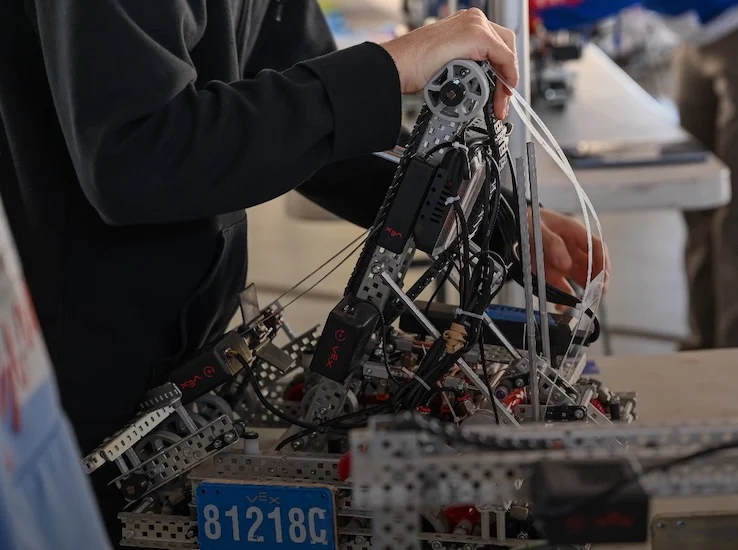
In the military sector, Maxwell Air Force Base has hosted a robotics competition, inviting local schools to participate and help students explore future career opportunities in the fields of military and engineering.
Bridging the Skills Gap
Collaborations between industry leaders in robotics and control and educational institutions are actively bridging the skills gap. For example, through hands-on training, competitions, and industry-supported educational programs, students gain first-hand knowledge in automation, software, and hardware design. These initiatives not only pave the way for young people to succeed in careers in robotics and automation but also drive technological advancements across the industry.
Looking ahead, as vocational education and the concept of lifelong learning become more widespread, robotics engineering education will increasingly focus on interdisciplinary integration and practical skills development. This will help cultivate a new generation of highly skilled talents with an international perspective and innovative capabilities for the industry.
